Know Before You Go
The Arctic is extraordinary — and it's real. Temperatures, wind, and conditions vary widely by season. This page gives you everything you need to arrive confident, comfortable, and ready to enjoy every moment of your tour.
Clothing & Gear
Dressing correctly is the single most important thing you can do before your tour. I've guided visitors from all over the world, and the ones who struggled were almost always the ones who underestimated the wind. Get this part right and the cold becomes part of the adventure — not the obstacle.
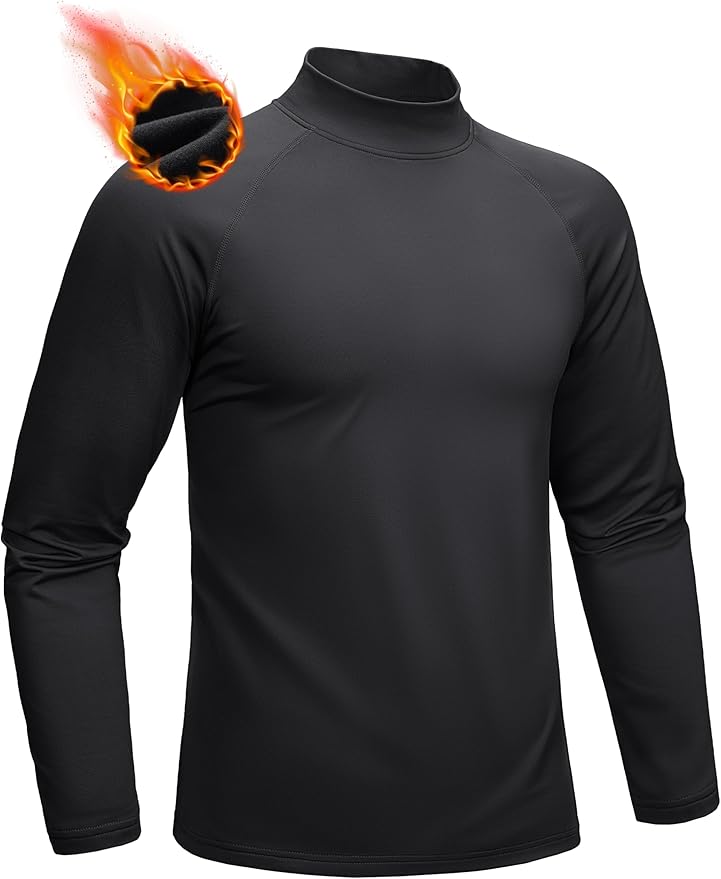
This is the layer closest to your skin, and it matters more than most people expect. Up here, if your base layer holds sweat against you, the cold gets in fast and doesn't leave. I've seen people feel fine one minute and genuinely uncomfortable ten minutes later just because they were wearing cotton underneath. You want something that pulls moisture away and holds a little heat on its own — a fleece-lined thermal like this one does both. Don't skip this layer or treat it as optional. It's your foundation.
Shop on Amazon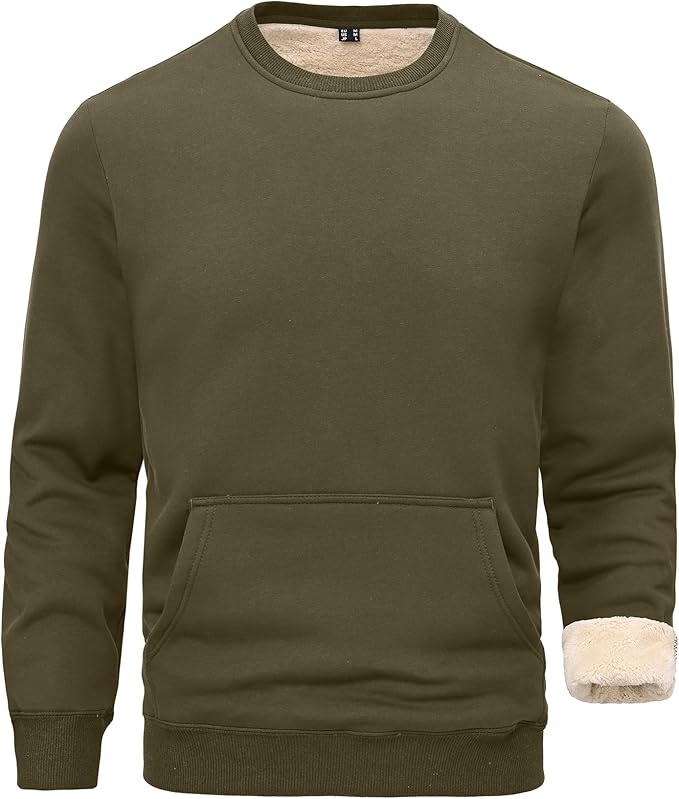
Think of this as the engine of your warmth. Your base layer moves moisture, your outer shell blocks the wind — but this is the layer that actually traps heat. Out at Point Barrow or standing by the ocean, you're going to be stationary for stretches of time. When you stop moving, you lose warmth quickly. A heavy fleece-lined sweatshirt like this one is exactly what I tell visitors to pack. It's thick enough for real Arctic cold, and you can layer it under a parka without losing mobility. Don't bring a light hoodie and call it a mid-layer — it won't cut it once the wind picks up.
Shop on Amazon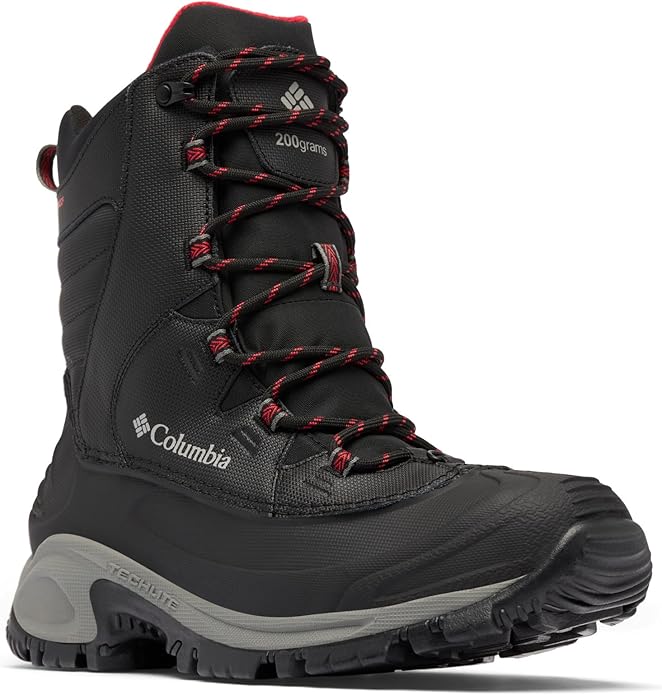
Cold feet will end a tour faster than anything else. I've seen visitors show up in regular winter boots and be miserable within twenty minutes. The ground out here — especially near the water and on the tundra — is wet, icy, and uneven. You need boots rated for extreme cold, with real waterproofing and a grip sole that handles ice. Columbia makes a boot I trust for these conditions. If it's not rated for -25°F or lower, it's probably not warm enough for winter and late fall in Utqiaġvik. And please — no sneakers, dress shoes, or fashion boots. The ground won't let you get away with it.
Shop on Amazon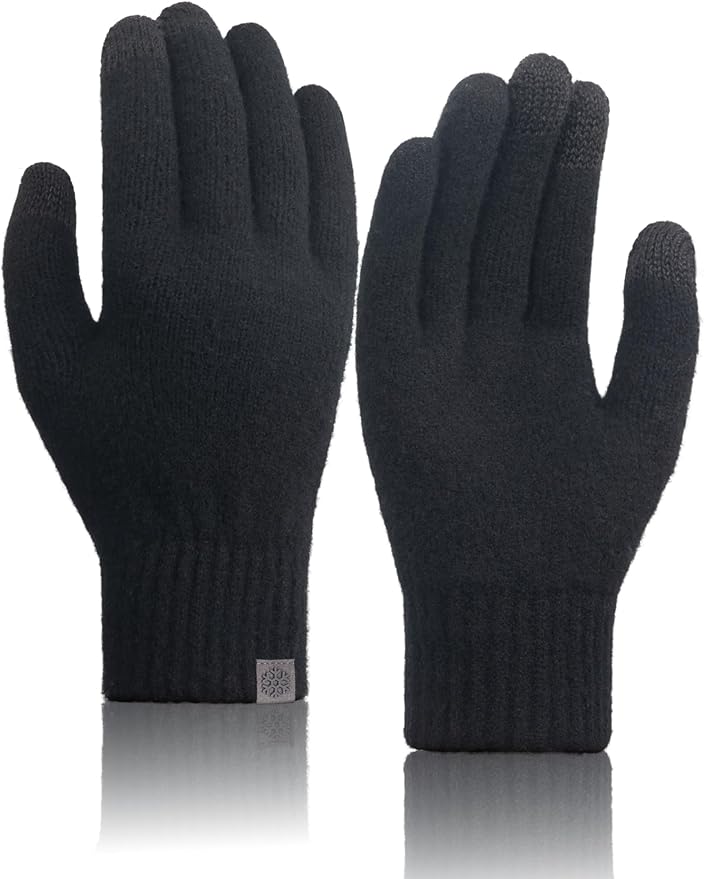
These go on before your mittens and make a real difference. When you need to take your mittens off to use your camera or phone, bare hands in Arctic wind can start hurting in under a minute. Liner gloves like these let you do what you need to do without exposing your skin directly to the cold. They're thin enough to use a touchscreen with, and they add a meaningful extra layer of warmth inside your outer mittens. Don't treat them as optional — they're one of the easiest pieces of gear to pack and one of the most useful out there.
Shop on Amazon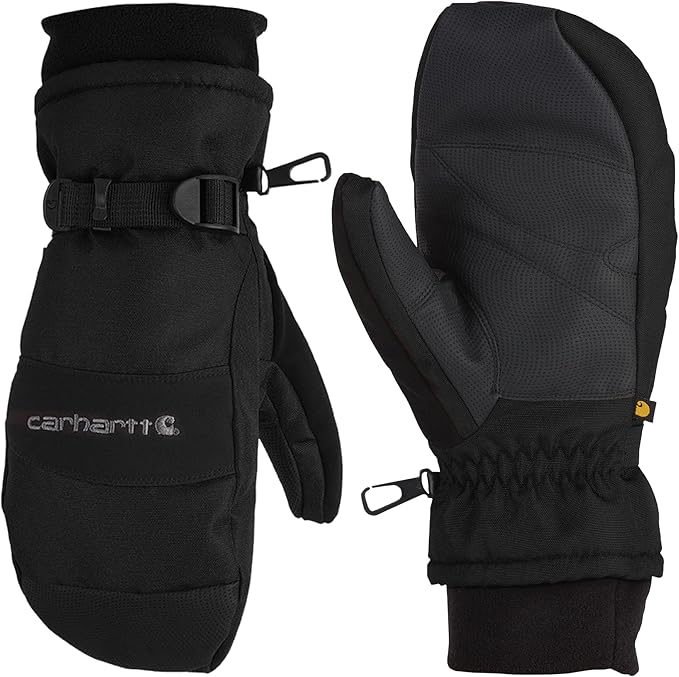
Regular gloves are not enough for Utqiaġvik winters. When the wind is blowing at -20°F or colder, individual fingers in a glove lose heat to each other and to the air. Mittens keep your fingers together so they warm each other, and a good insulated waterproof shell mitten like the Carhartt I recommend blocks wind completely. I wear this style myself when I'm out in the worst conditions. Wear your liner gloves underneath — that combination is what protects your hands in real Arctic cold. Frostbite on fingers happens faster than most people think.
Shop on Amazon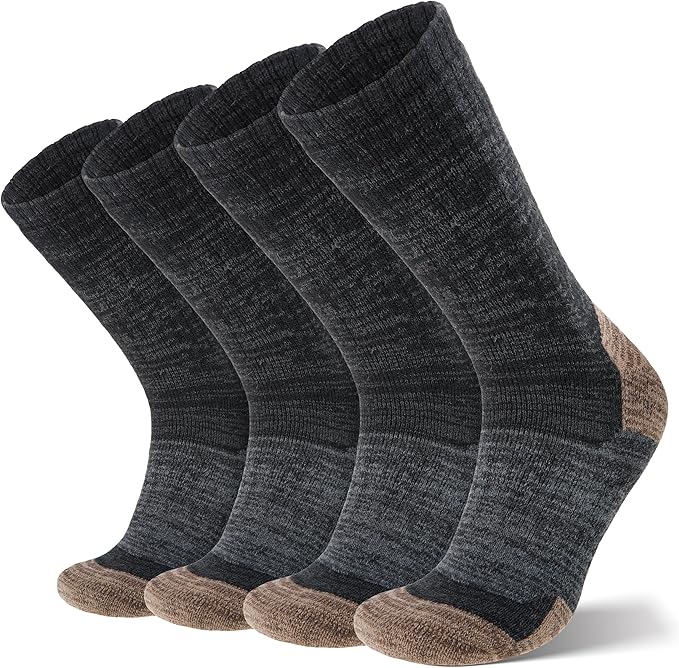
This one gets overlooked more than anything else, and it costs people comfort every time. Even the best winter boots won't save you if you're wearing thin cotton socks inside them. Your feet sit closest to the cold ground and they don't move much while we're walking and looking around. Merino wool socks like these stay warm even when damp, they don't compress over time, and they make a noticeable difference inside your boots. Wear at least one thick pair — two in extreme cold. Cold feet drain your energy and take the joy out of being outside. Don't let that happen over a pair of socks.
Shop on Amazon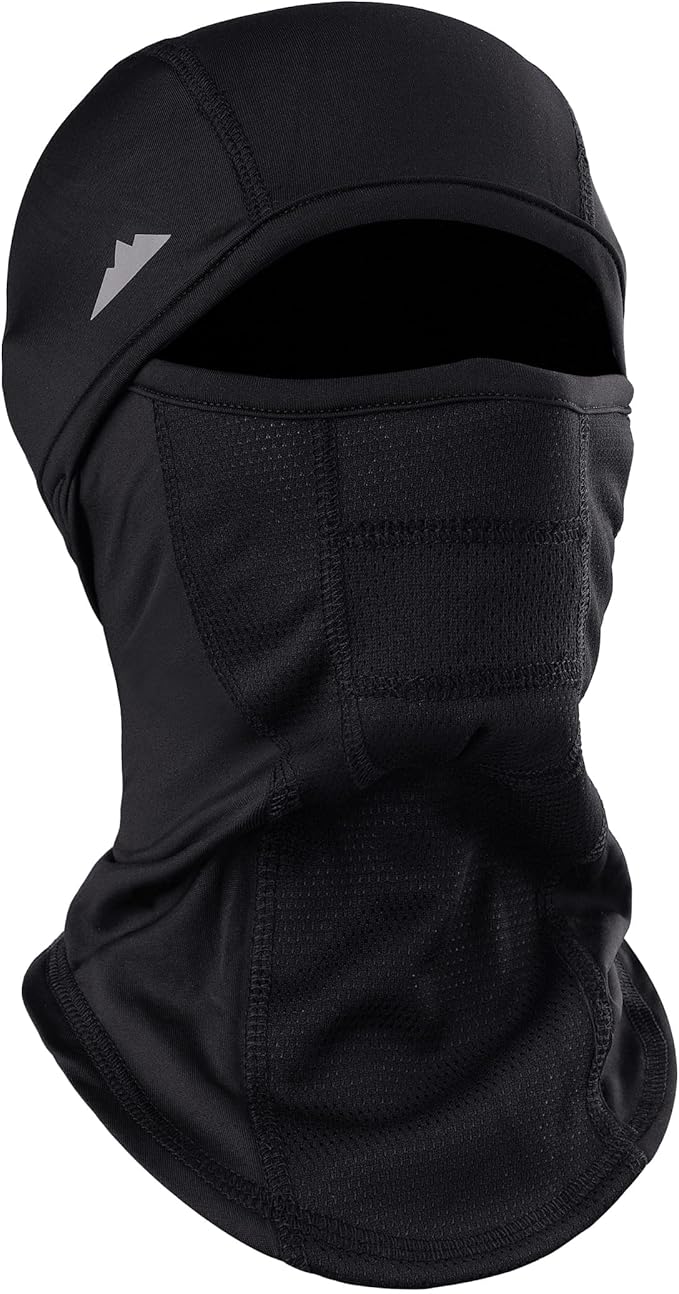
Out at Point Barrow, there's nothing between you and the Arctic Ocean wind — no trees, no buildings, nothing. When it's cold and blowing, exposed skin on your face will hurt within minutes. A balaclava that covers your nose, cheeks, and chin is not overkill. It is the right tool for where we're going. This style covers your face completely and tucks into your jacket collar so wind can't get in at the neck. Even in shoulder seasons — September, October, early May — the wind off the ocean can surprise people. Put it on before you need it, not after your face is already numb.
Shop on AmazonThis is your armor against the wind. Everything else you're wearing — the base layer, the mid-layer, the socks — all of it gets defeated if the wind can cut through your outer layer. In Utqiaġvik, Arctic wind is constant and it strips heat fast. You need a parka rated for serious cold, with a hood, windproof shell, and real insulation. I've listed two options: the one I'd recommend if you want the best performance, and a more affordable alternative that still does the job. Either way, make sure it comes well past your waist and that the hood fits over your hat.
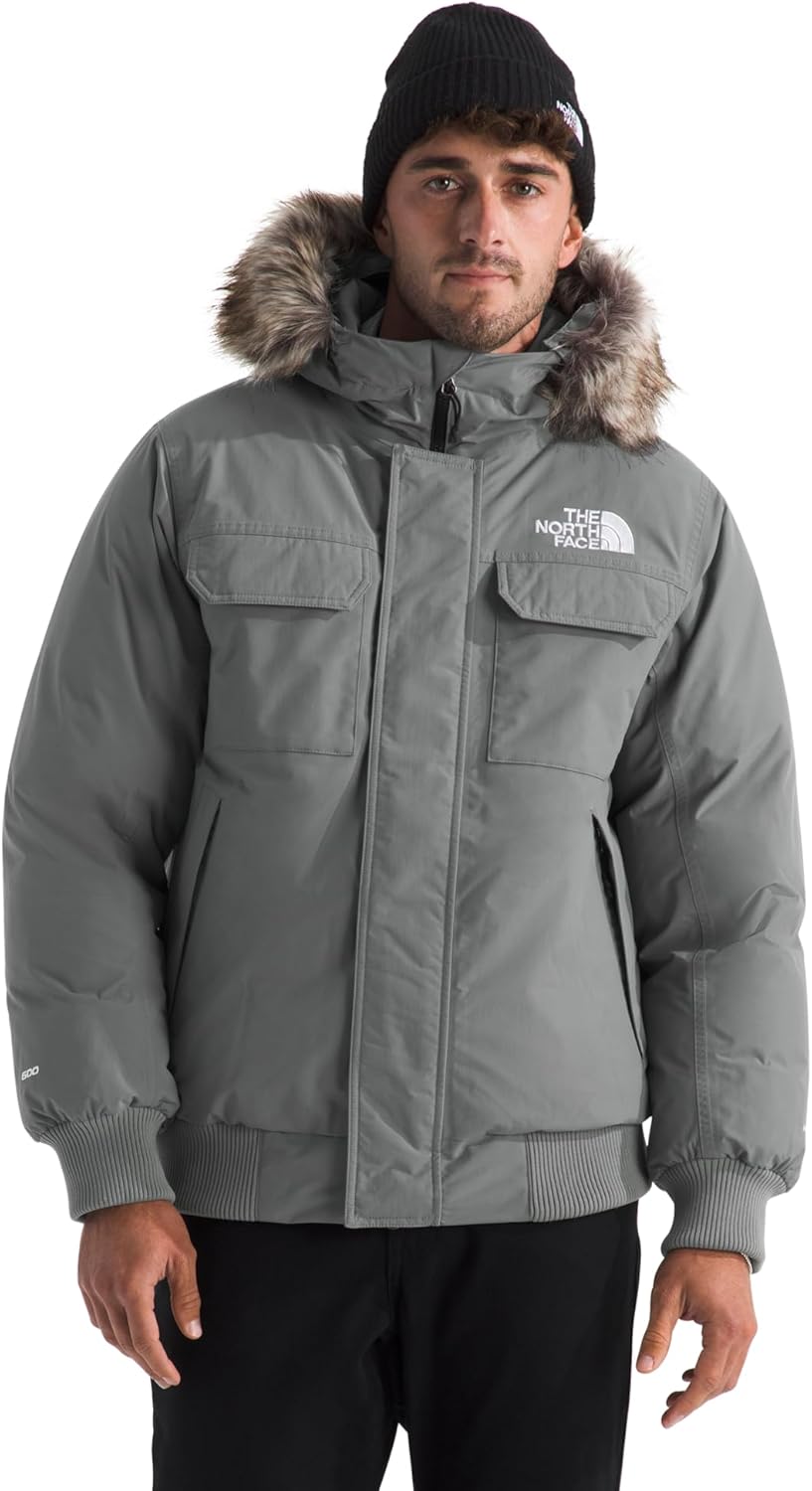
This is the kind of jacket that actually handles extreme Arctic cold. Heavily insulated, hooded, and built with a shell that stops wind. The fur-lined hood adds real face protection when the wind is blowing hard. If you're visiting in fall, winter, or spring and want to be comfortable the whole time, this is the jacket. It's an investment, but it earns it out here.
Shop on Amazon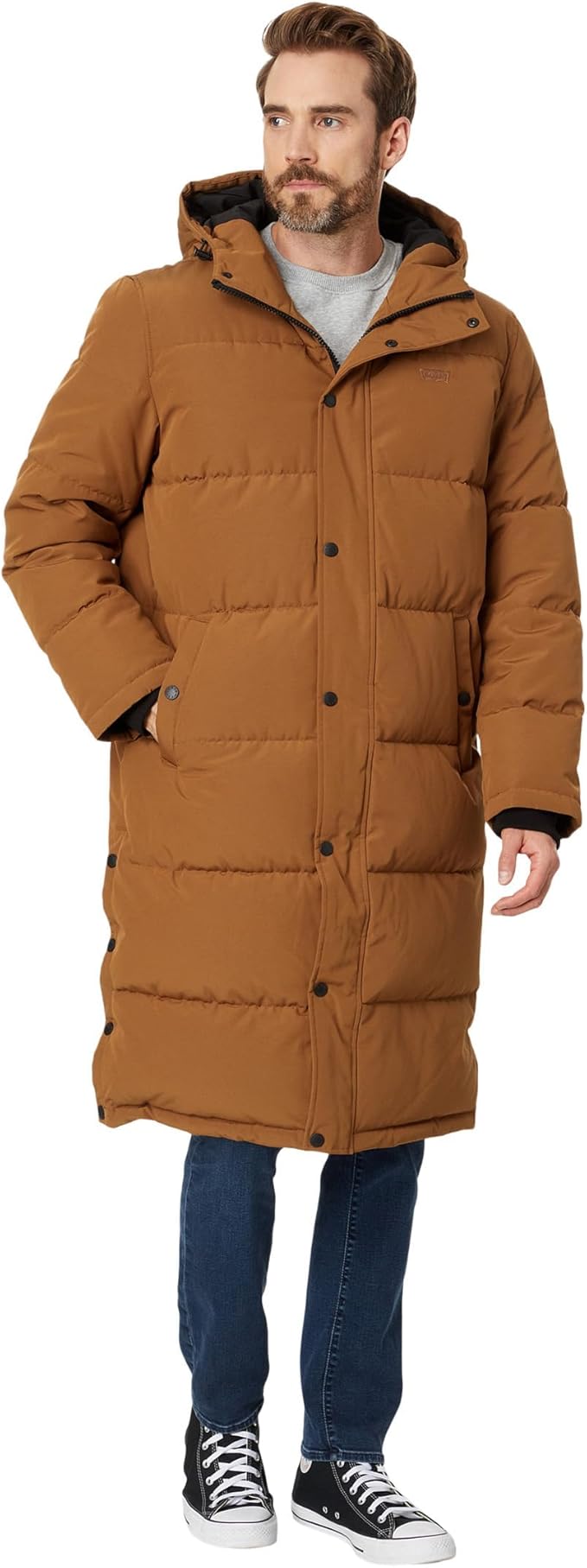
If price is a factor, a good long puffer parka still does meaningful work. This Levi's option runs long enough to cover your hips, which matters because that's where heat escapes when you're bending and walking. It's best for milder cold — late spring, early fall, or summer. If you're visiting in the depths of winter, I'd push harder for the heavier option above. But for shoulder seasons and summer, this keeps you comfortable without the premium price.
Shop on Amazon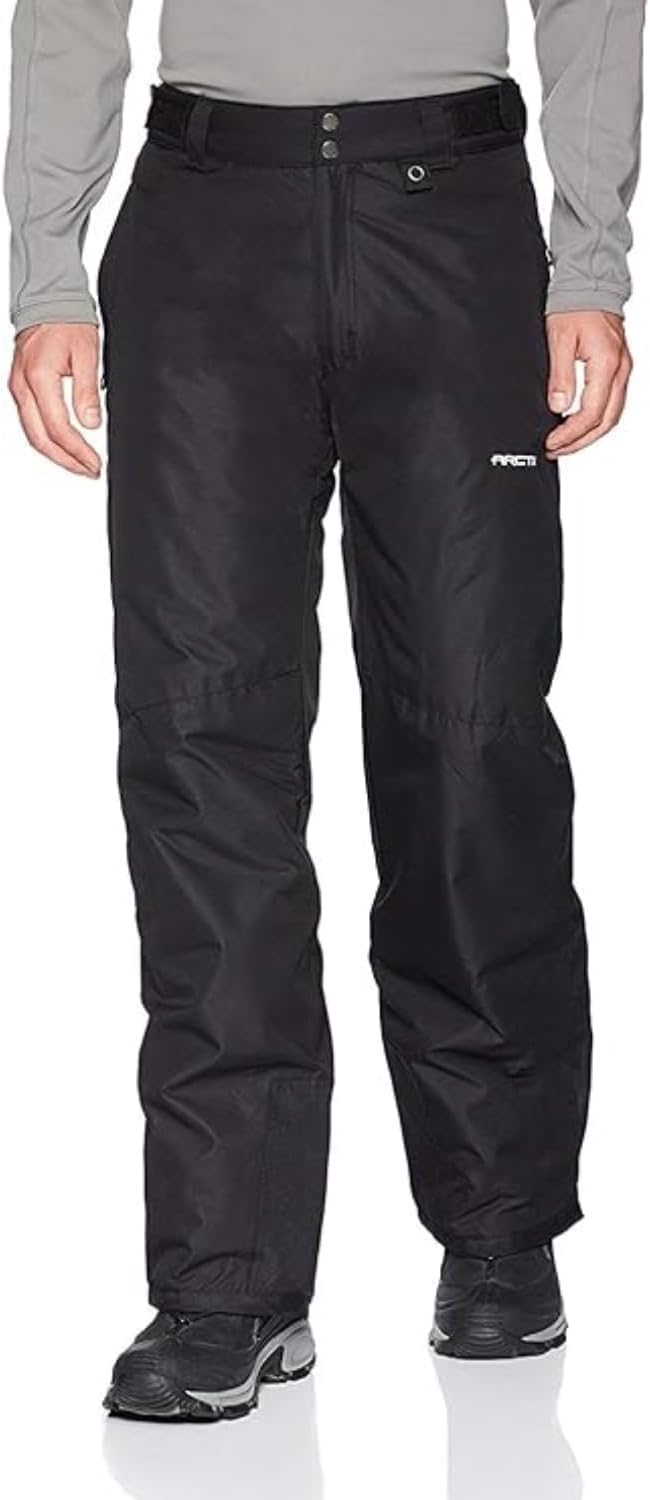
Most people pack for their upper body and forget about their legs. Out here, that's a mistake. The wind hits your legs just as hard as the rest of you, and if you're wearing jeans or regular pants, you'll feel the cold cutting through within minutes. Insulated snow pants worn over your base layer are what keep your lower half protected. They're windproof, water-resistant, and they make a real difference on tundra walks and at the water's edge. If you have ski pants already, bring them. If you don't, this is the kind of piece that's worth owning before you arrive.
Shop on AmazonTemperatures in Utqiaġvik regularly reach -40°F (-40°C) with windchill between October and April. Every item in this guide matters in those months — none of it is optional. Layer all of it: base layer, mid-layer, parka, wool socks in insulated boots, liner gloves under mittens, and a balaclava that covers your face completely. If you're not sure your gear is cold enough for the dates you're visiting, reach out before you book. I'd rather help you prepare than have you cut a tour short because you're too cold to enjoy it.
Conditions & Expectations
The Arctic is not a controlled environment. That's exactly what makes it extraordinary. Robin has spent his whole life reading this landscape — he knows how to keep guests comfortable while showing them the real thing.
"Every season here is different. I've been out in every kind of weather this place has. My job is to help you experience it safely — and honestly, the days that feel the most alive are the ones where you're right in it."
— Robin Mongoyak, Kiita Tours guide
Arctic conditions can shift within an hour. Robin monitors conditions before and during every tour. If weather becomes unsafe, routes may be adjusted or the tour may be rescheduled — your safety always comes first.
With a maximum of 3 guests, Robin can give each person direct attention. No one gets left behind, overlooked, or rushed. This also means Robin can respond immediately if someone needs a break or is feeling the cold.
Summer brings the midnight sun and migratory wildlife. Fall brings freeze-up and the start of polar darkness. Winter is extreme cold and the aurora. Spring brings ice breakup and bowhead whale migration. Ask Robin what's happening during your visit — timing matters here.
He picks you up, manages the route, and knows every location on these tours from decades of living here. You don't need to navigate, plan, or find anything on your own — just show up dressed and ready.
How We Operate
Kiita Tours is built on local knowledge and honest judgment — not on procedures that look good on paper. Here is what that means in practice.
Robin was born and raised in Utqiaġvik. He knows the land, the weather patterns, the terrain, and the risks in every season from a lifetime of firsthand experience. That knowledge is the foundation of every tour he leads.
Robin checks conditions before every tour and makes judgment calls throughout. If he sees something that doesn't feel right — wind, temperature, visibility — he will adjust the plan. No guest has ever pushed past a safety concern on a Kiita tour.
Robin will ask how you're feeling. If you're too cold, if something doesn't feel right, or if you need to stop — say so. These tours are designed around your experience, not a fixed itinerary. You will always be heard.
With no more than 3 guests, Robin can give every person in the group direct attention at all times. There are no crowds to manage, no one walking too far ahead. The group moves and decides together.
If conditions are unsafe, the tour will be rescheduled. Robin will not run a tour that he would not personally be comfortable leading. Guests are always informed of any changes as early as possible.
Before your tour, Robin is available to answer questions about what to expect, what to bring, and what conditions look like for your dates. If anything feels uncertain, reach out — that's what he's there for.
Before You Arrive
A few simple steps before you arrive in Utqiaġvik will make your tour significantly better. Robin does the hard work — this is what you can do on your end.
Now That You're Prepared
The Whalebone Arch, Iñupiat Heritage Center, community landmarks — and the stories behind them. Perfect introduction to Arctic life.
View Tour Details →Stand at the northernmost point in the United States. See Arctic Ocean sea ice, wildlife, and geography that few ever experience firsthand.
View Tour Details →Ready to Plan Your Visit
If anything on this page raised a question — about your gear, your dates, your physical condition, or what to expect — reach out before you book. Robin is happy to help you prepare. A well-prepared guest has the best experience.